
In the highly competitive and safety-critical world of vehicle body repair, demonstrating excellence isn’t just a goal – it’s a necessity. For bodyshops across the UK, the benchmark for safe and compliant repairs is the BS 10125 standard. Achieving this certification isn’t just a badge of honour; it’s a strategic move which highlights a commitment to excellence in repair methods, quality control and staff competence. BS 10125 can open doors to new work providers, enhance customer trust, and ultimately, future-proof your business.
But what exactly is BS 10125, and what does your bodyshop need to know to achieve and maintain this crucial accreditation?
What is BS 10125? The gold standard for vehicle damage repair
Formerly known as PAS 125, BS 10125 is the British Standard that sets out the technical specifications and requirements for the safe and high-quality repair of damaged vehicles. It’s a comprehensive framework designed to ensure that every aspect of the repair process, from initial assessment to final handover, adheres to the highest professional standards.
At its core, BS 10125 focuses on four critical elements, often referred to as the “Four Ms”:
- Man (People): Ensuring all personnel involved in the repair process are competent, fully trained and maintain up-to-date certifications for the tasks they perform. This includes a strong emphasis on continuous professional development (CPD)
- Method: Mandating the use of approved, researched repair methods that align with vehicle manufacturer specifications and industry best practices
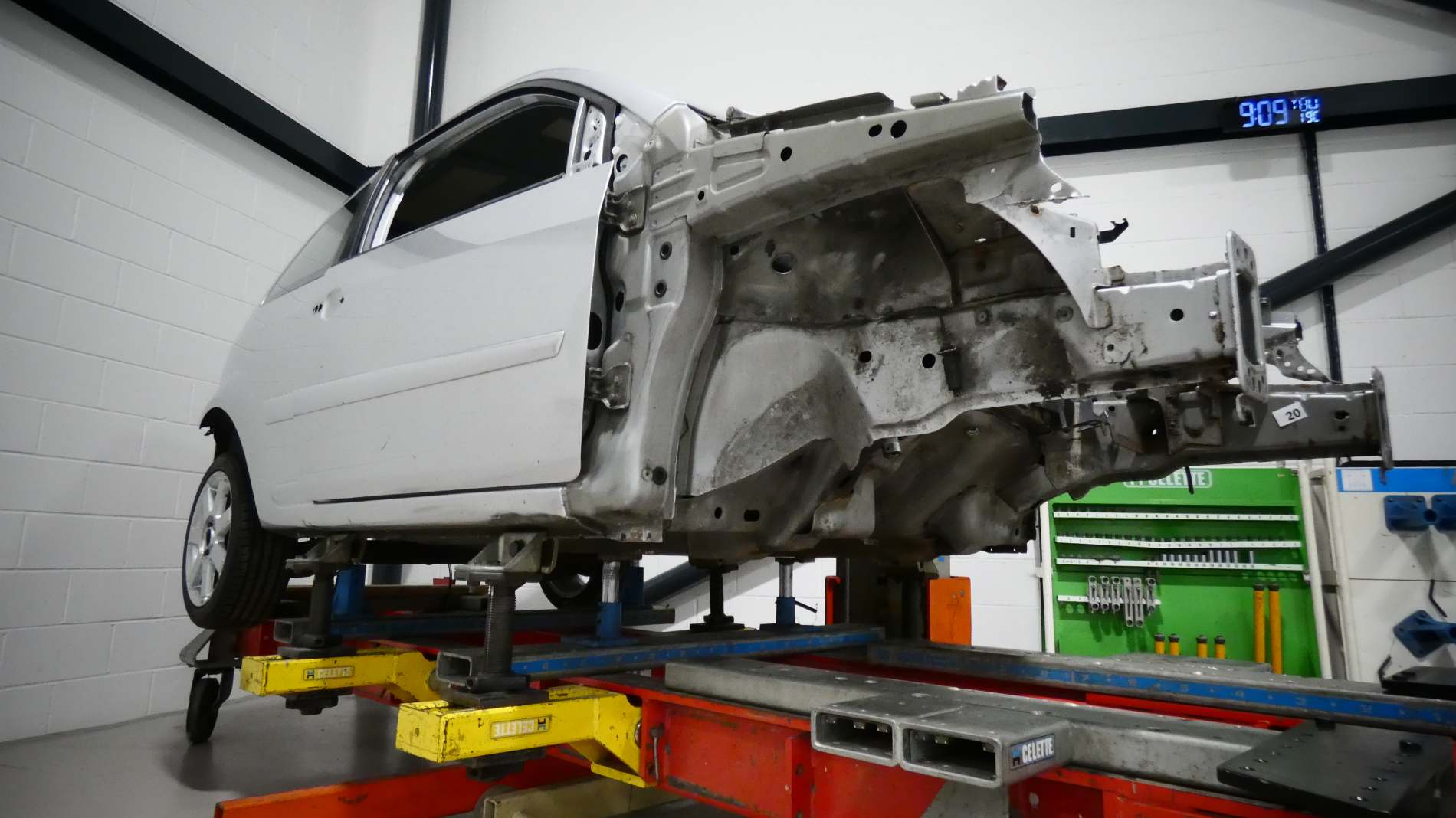
- Machine (Equipment): Requiring that bodyshops possess appropriate, well-maintained and calibrated equipment and tools for the scope of work undertaken, including specialist tools for advanced vehicle technologies
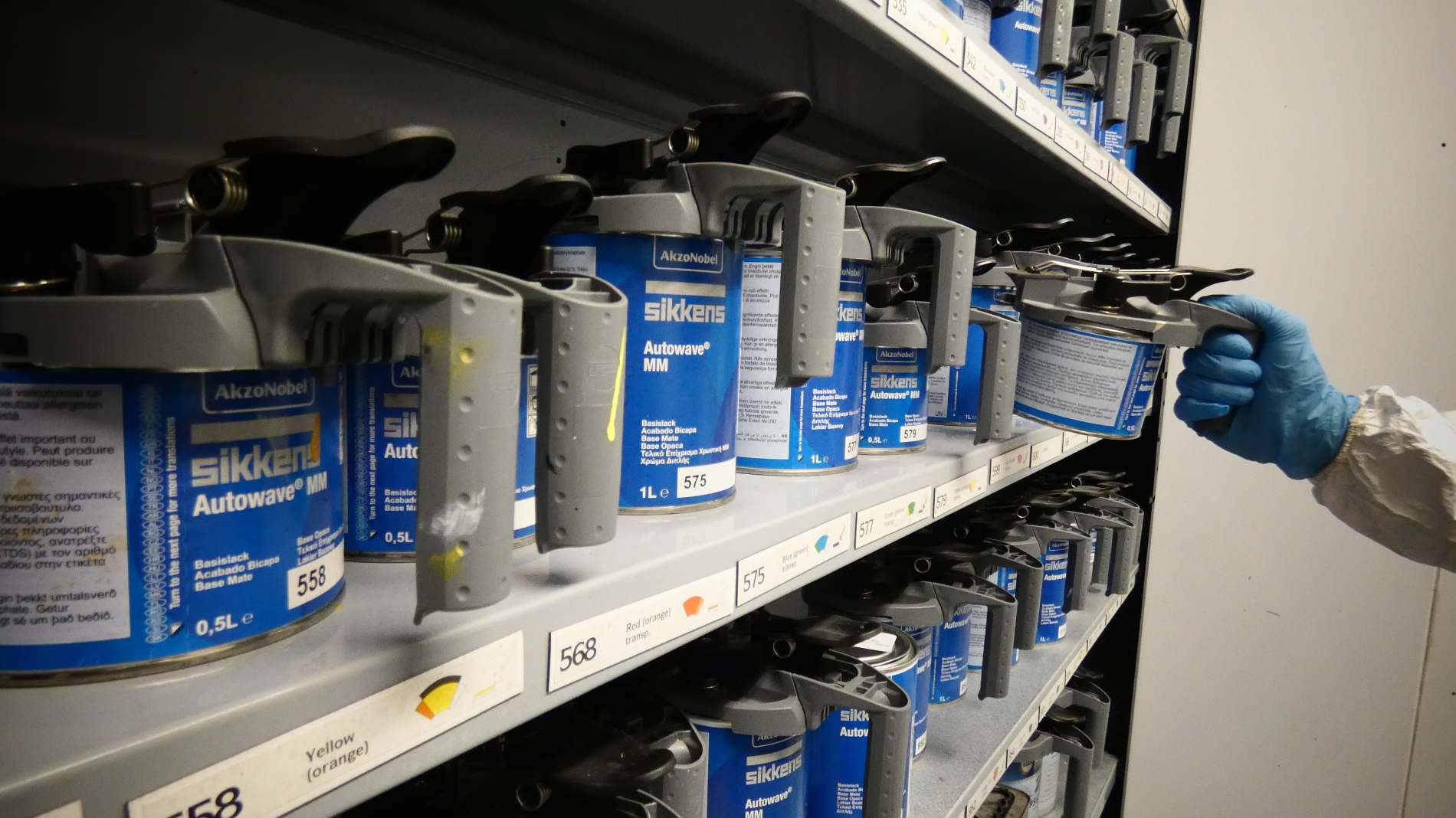
- Material: Specifying the use of high-quality correct, and traceable repair materials, including OEM or equivalent quality replacement parts
Why is BS 10125 Certification essential for your bodyshop?
Achieving BS 10125 certification offers many which directly impact your bodyshop’s viability and reputation:
- Enhanced customer trust and safety: The most crucial benefit. Certification provides independent assurance to your customers that their vehicle has been repaired to the highest safety and quality standards. This peace of mind is invaluable
- Access to work providers: Many insurance companies, fleet operators and accident management companies now mandate BS 10125 certification for their approved repair networks. Without it, you could be missing out on significant work volumes
- Improved efficiency and quality: Adhering to the structured processes required by BS 10125 naturally leads to more consistent, efficient and higher-quality repairs, reducing re-works and customer complaints
- Competitive advantage: In a crowded market, being a BS 10125 certified bodyshop sets you apart from competitors who may not meet these rigorous standards. It’s a clear differentiator that signals professionalism and expertise
- Reduced liability: By following industry-recognised best practices and documenting your processes, you mitigate potential risks and liabilities associated with unsafe or substandard repairs
- Future proofing your business: The latest iteration, BS 10125:2022, addresses modern vehicle technologies like Electric Vehicles (EVs) and Advanced Driver Assistance Systems (ADAS), ensuring your bodyshop is prepared for the evolving demands of the automotive landscape
Navigating the path to certification: Key requirements
Here are critical areas your bodyshop will need to address:
Personnel competence
- Training records: Meticulous records of all technician qualifications, training courses (eg IMI accreditations) and ongoing CPD
- Defined roles and responsibilities: Clear job descriptions and a robust system for managing technician competence for specific repair tasks
Repair methods
- Access to information: Ensuring technicians have immediate access to up-to-date manufacturer repair methods and technical bulletins
- Process documentation: Documented procedures for damage assessment, repair planning, repair execution and quality control checks
Equipment and tools
- Inventory and maintenance: A comprehensive list of all workshop equipment, with documented maintenance and calibration schedules (eg welding equipment, alignment jigs, diagnostic tools)
- Suitability: Demonstrating that your equipment is appropriate and capable for the types of vehicles and repairs you undertake
Materials and parts
- Traceability: A system for tracking and verifying the source and quality of all replacement parts (new, reclaimed or non-original)
- Storage and handling: Proper storage conditions for materials, including paints, adhesives and vehicle parts
Management system
- Quality management: Implementing a robust quality management system that includes internal audits, corrective actions and a commitment to continuous improvement
- Record keeping: Maintaining detailed job packs for every repair, including initial damage reports, repair methods used, parts fitted, technician signatures and final quality checks
How RWC Training supports your BS 10125 complaince
Achieving BS 10125 certification can seem daunting, but you don’t have to navigate it alone. At RWC Training, we specialise in providing the critical “People” element of the standard. Our comprehensive range of IMI accredited courses ensures your technicians gain and maintain the necessary skills and qualifications.
- Panel repair: From conventional methods to advanced structural repairs on modern materials
- Paint refinishing: Achieving flawless finishes that meet manufacturer standards
- MET (Mechanical, Electrical, Trim): The intricate work of dismantling, reassembling, and calibrating vehicle systems
- EV/Hybrid vehicle repair: Essential training for the safe handling and repair of high-voltage systems
- ADAS calibration: Ensuring critical safety systems are correctly re-calibrated post-repair
To truly future proof your business, our Train to Gain Continuous Professional Development (CPD) programme, is meticulously designed to move beyond traditional reaccreditation.
Unlike conventional methods that often involve repetitive assessments, Train to Gain represents the future of compliance and training – a holistic approach that not only ensures you meet BS 10125 standards, but also empowers your team with increased skills and up-to-date knowledge.
By investing in RWC Training, you not only upskill your workforce but also build a verifiable record of competence that is crucial for your BS 10125 audit.
Want to find out more? Contact us today to discuss how our expert led courses and CPD programme will support your accreditation journey.